Skip to content

Signals

What a signal is

A signal is a quantity that changes with time or space: a voice recording, a day's temperature, one row of pixels in an image. This topic says what that means, sorts signals with a few plain questions, and measures their size with energy, power, RMS and signal-to-noise ratio.

Lessons on this topic

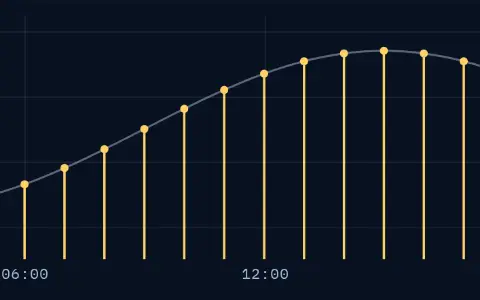
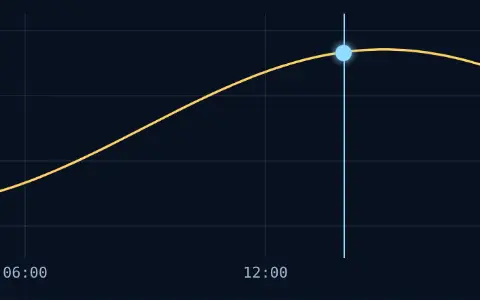
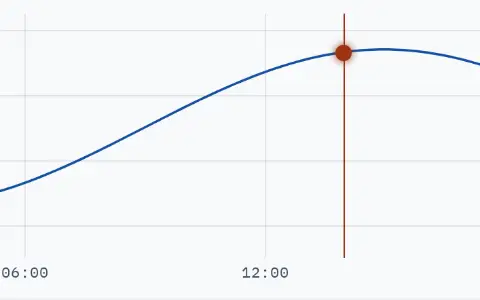
One day of room temperature. Marker at 14:00, 23.3 degrees Celsius.One day of room temperature. Marker at 14:00, 23.3 degrees Celsius.

Beginner · 11 minYou are hereRead

What a signal is

See what a signal really is, with five small examples you can drag, toggle and step through yourself.

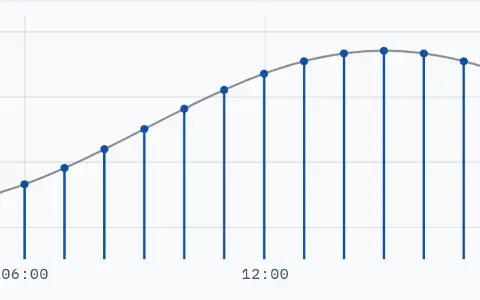
One day of room temperature, measured 24 times a day. The smooth curve underneath is what a continuous reading would look like. Horizontal axis: time of day.One day of room temperature, measured 24 times a day. The smooth curve underneath is what a continuous reading would look like. Horizontal axis: time of day.

Beginner · 13 minYou are hereRead

Kinds of signals

Six questions that sort a signal, from how often you measure it to whether it is zero before now.

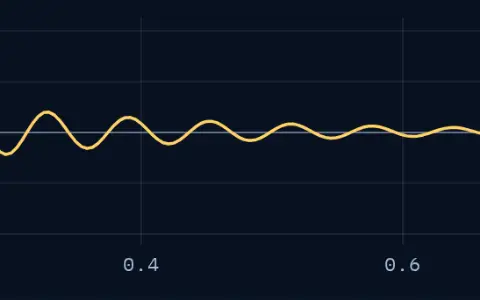
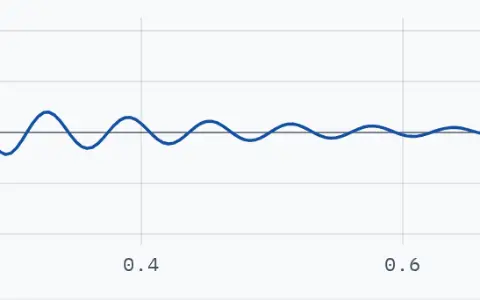
A single handclap, 240 samples over one second. Window edge at 0.08 seconds, 19 samples counted.A single handclap, 240 samples over one second. Window edge at 0.08 seconds, 19 samples counted.

Beginner · 20 minYou are hereRead

How big is a signal

Put one number on how big a signal is, from energy and power to mean, RMS, crest factor, decibels and SNR.

Related topics

Where to go next.

Phasorium

Account

Sign inWith Google, GitHub or your email

Subjects

Site

Look