Skip to content

Chapter 2

Working with signals

Three lessons in Part I, Signals. Read them in order, or start anywhere: a prerequisite is a link, never a gate.

Start with 2.1
0 of 3 read3 on the essential pathabout 45 minutes

Lessons in this chapter

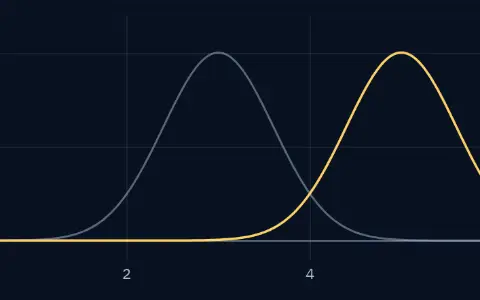
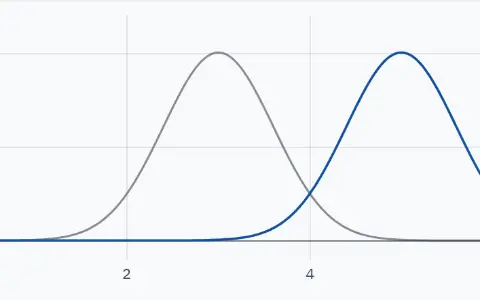
A pulse (faint outline, labelled original) and a moved copy of it (solid, labelled delayed), delay +2.0 s.A pulse (faint outline, labelled original) and a moved copy of it (solid, labelled delayed), delay +2.0 s.

Lesson 1 Essential15 minYou are hereRead

Shifting, reversing and scaling time

Predict exactly where a shifted, reversed or sped-up copy of a signal lands, and why order changes the answer.

A 32-sample sequence scaled by a loudness of 1.4 and shifted by a baseline of 0.0, over the original sequence shown faintly. y[n] = 1.4 · x[n] + 0.0.A 32-sample sequence scaled by a loudness of 1.4 and shifted by a baseline of 0.0, over the original sequence shown faintly. y[n] = 1.4 · x[n] + 0.0.

Lesson 2 Essential15 minYou are hereRead

Operations on amplitude

Scale, offset, add, multiply, difference and clip a signal's values, and see why differencing and summing undo each other.

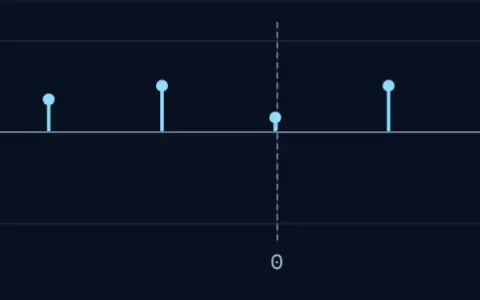
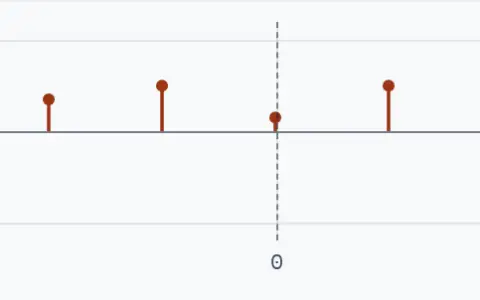
The even part of the sequence: the same on both sides of n = 0, a mirror image of itself.The even part of the sequence: the same on both sides of n = 0, a mirror image of itself.

Lesson 3 Essential15 minYou are hereRead

Decomposing signals

Split a signal into an even and an odd part, rebuild it from spikes or switches, and preview building shapes from pure tones.

After this chapter

Where to go next.

The chapters either side, and the rest of Part I in the library.

Phasorium
LibraryEvery lesson, in order

Parts

About Phasorium
Look